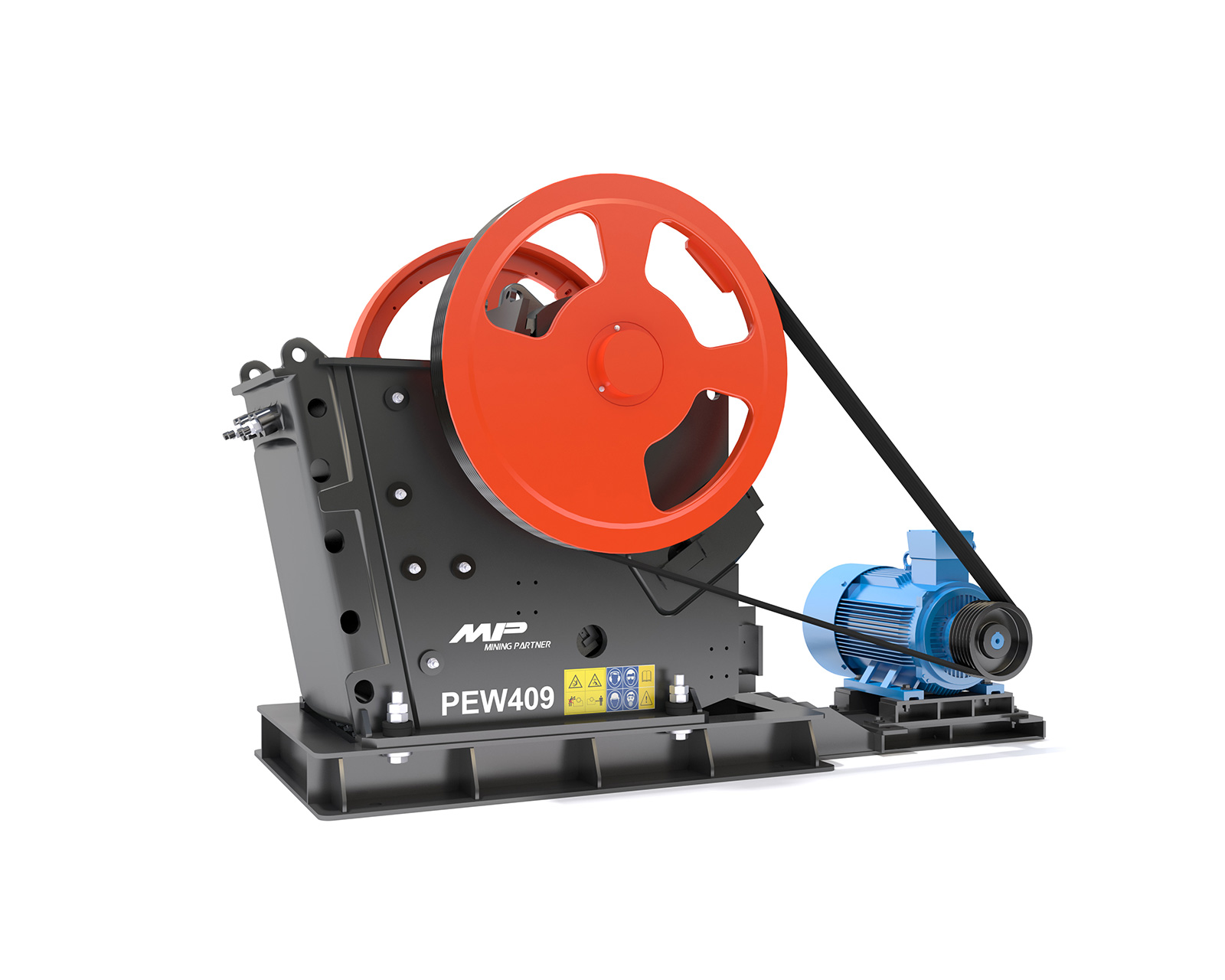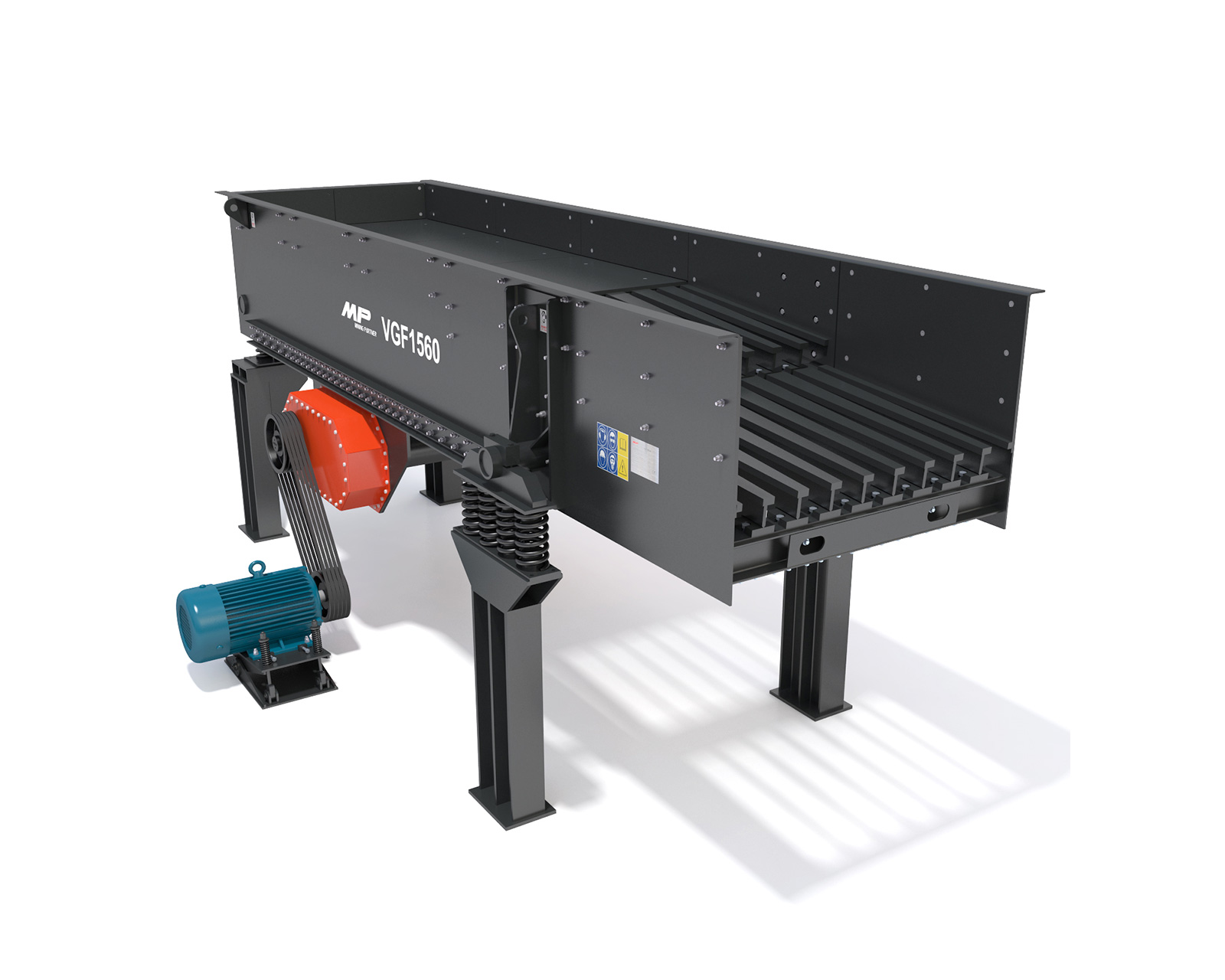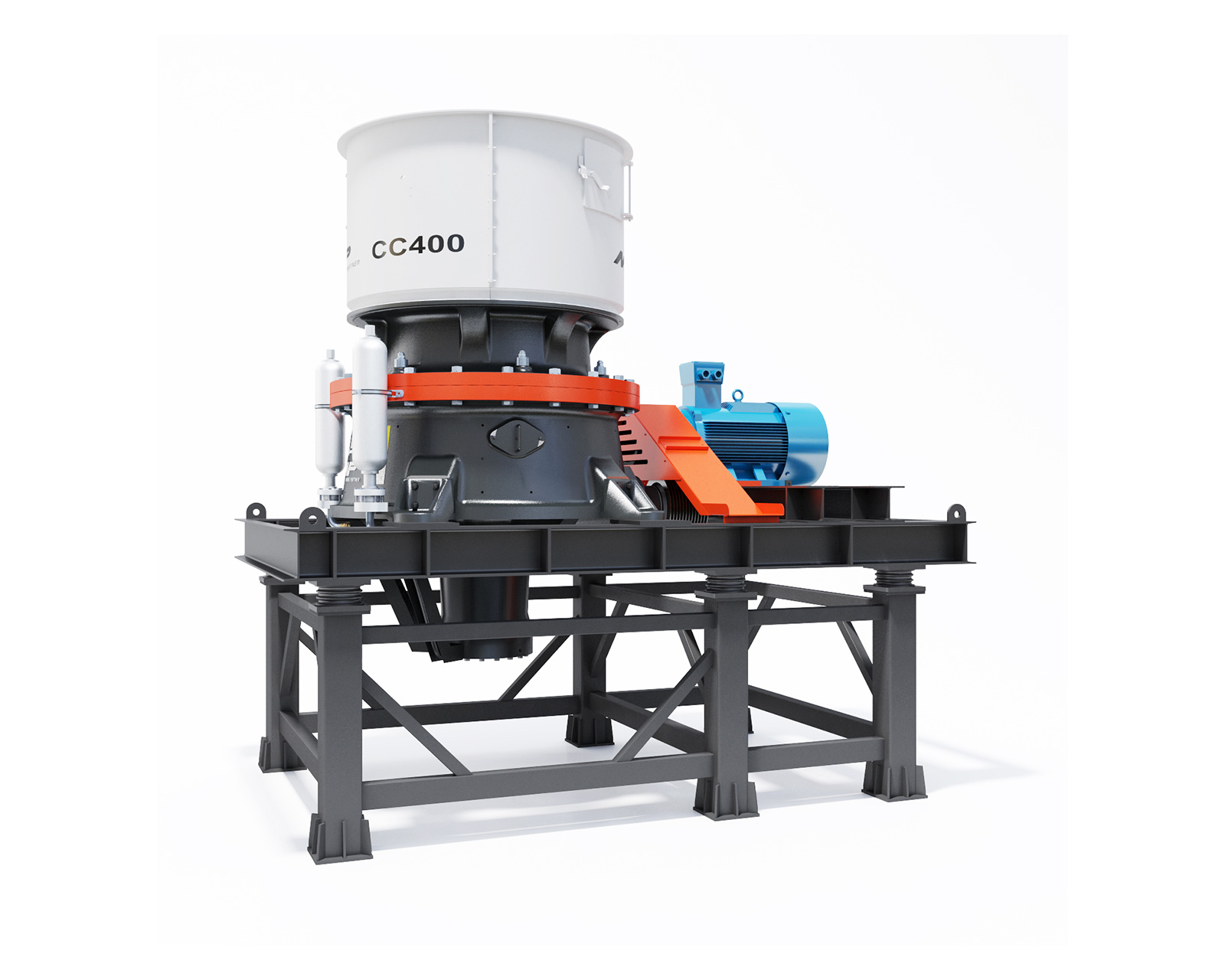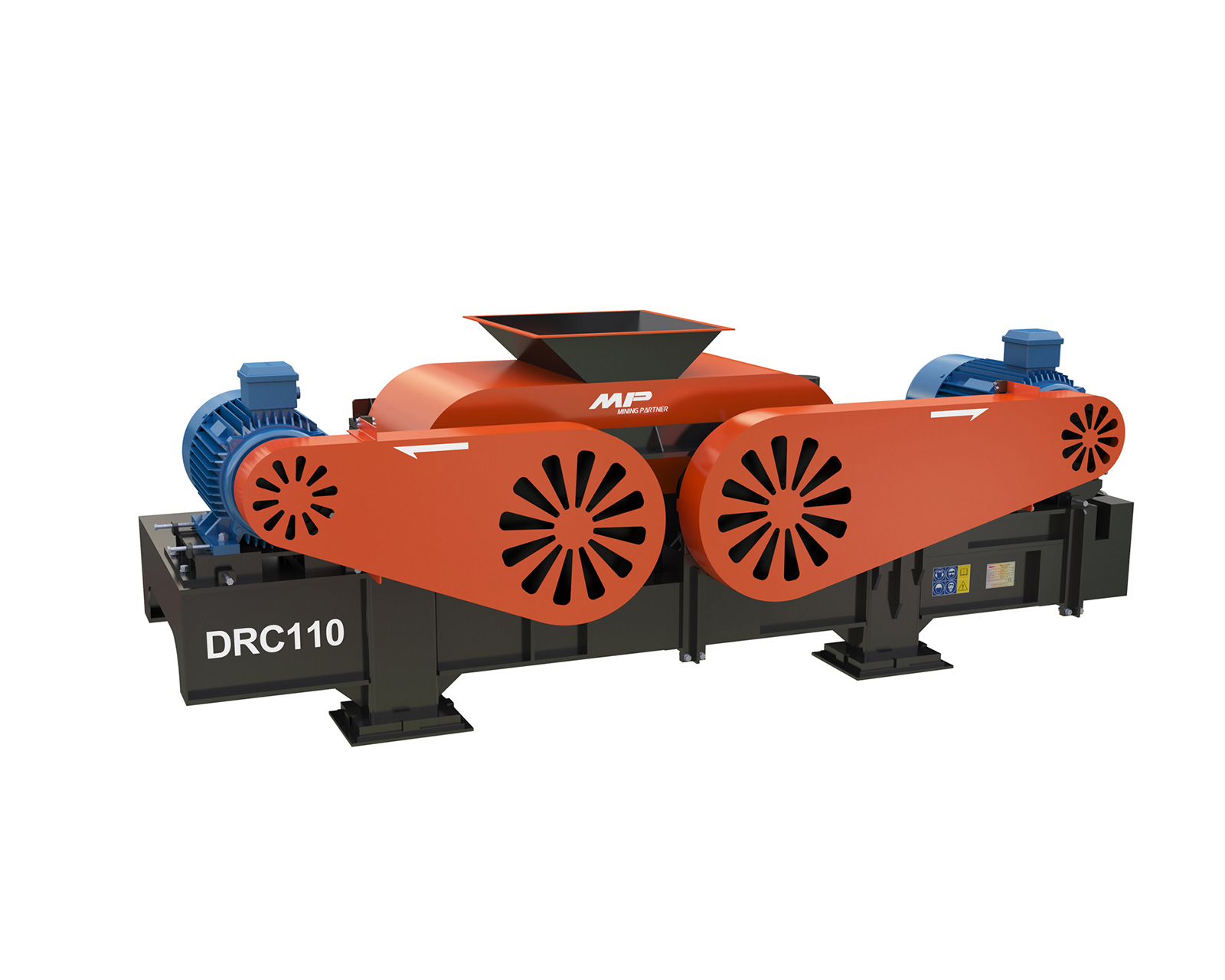
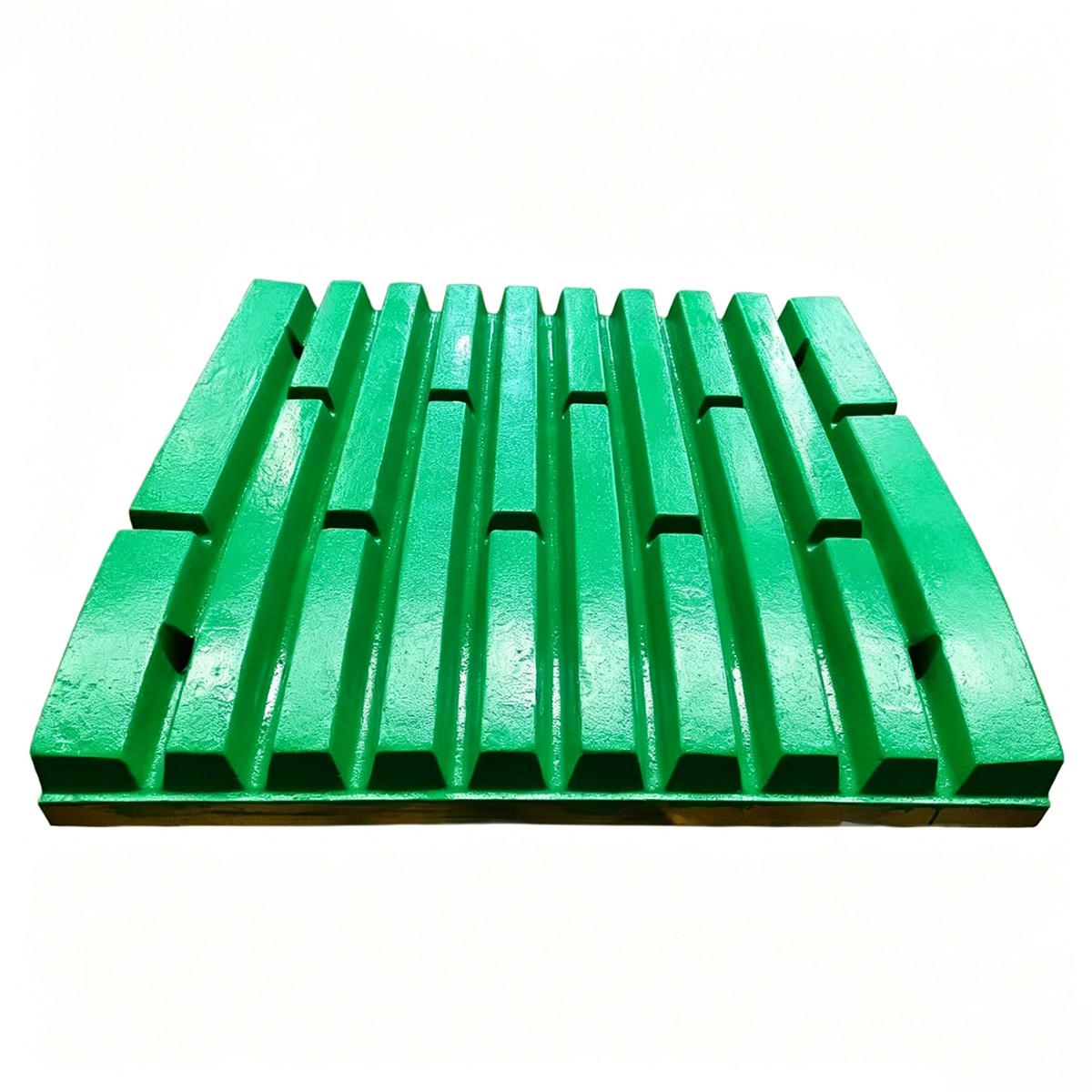
Zhejiang MP Mining Equipment Corp., Ltd. is one of the most credible manufacturers and suppliers of jaw crusher parts fixed jaw plate in China. Welcome to buy discount jaw crusher parts fixed jaw plate in stock here and get quotation from our factory. We also accept customized orders.
What Is Jaw Crusher Liners
Jaw crusher liners play a crucial role in the crushing process, as they protect the jaw crusher's wear parts from excessive wear and tear. By choosing the right jaw crusher liner, you can enhance the overall performance and prolong the of your crusher.
Made to Fit, Reduced Downtime
Precise fitting for less wear and tear on equipment and for quick and easy replacement.
Increased Crusher Uptime
Replacement and Custom Design and Proprietary alloys offer proven increased crusher efficiency, prevent premature erosion, and extend usable wear life.
Easy Installation and Replacement
Jaw crusher liners are easy to install and replace, making it convenient for operators to maintain the jaw crusher. This reduces downtime and increases the productivity of the jaw crusher.
Improved Product Quality
Jaw crusher liners can also help to improve the quality of the final product. The liners ensure that the crushed material is evenly distributed throughout the crushing chamber, resulting in a more uniform product size and shape.
Manganese Moving Jaw Plate
Manganese moving jaw plates are the component of a jaw crusher that is used to crush and grind rocks and other heavy materials. They are typically made of high-manganese steel, which is a type of steel alloy that is known for its high wear resistance. Manganese jaw plates are typically designed with teeth or ridges to grip and crush the material being processed.
Movable Jaw Plate For Jaw Crusher
The crushing chamber of the jaw crusher is equipped with a fixed jaw plate and a movable jaw plate for jaw crusher. When the machine is running, raw material wear occurs between the movable jaw plate for jaw crusher and the fixed plate. Jaw crushers work well in the first stage of crushing and are less common in the second stage.
Jaw Crusher Spare Parts
As jaw crusher spare parts,the main function of the fixed jaw plate is to protect the jaw crusher's body and to provide support for the movable jaw die, which is attached to the movable jaw. It also helps to transfer the crushing force generated by the jaw crusher's eccentric motion to the material being crushed.
Stone Crusher Jaw Plate
The jaw plate of the crusher is an important wear-resistant part in the crusher, which is usually installed on the moving jaw and fixed jaw of the crusher. It is subjected to huge impact and friction during the working process of the crusher, so it needs to have high hardness and wear resistance.
Jaw Crusher Parts Fixed Jaw Plate
The conventional manganese steel used in MP Mining's jaw crusher parts fixed jaw plate and swing jaw plate has a manganese content ranges from 13% to 23%, or according to the requirement of the customer. It is produced under a unique heat-treatment procedure.
Crusher Jaw Plate Casting
Because crusher jaw plate casting are constructed of super high manganese steel, they last 50–100% longer than plates made of conventional high manganese steel. Under a variety of load scenarios, each type of jaw crusher in the PE series is tested for shock, stress, strain, heat loading, deformation, vibration, and noise.
High Manganese Jaw Crusher Parts
Movable jaw plate of jaw crusher is also called jaw head or jaw back. And jaw plate is also called tooth plate, a vital wear resistant part of jaw crusher. A set of jaw plates usually are composed of movable jaw plate and fixed jaw plate.
Jaw Fixed Plate and Swing Plate
Jaw fixed plate and swing plate is an important part in the jaw crusher equipment, and its service life directly affects the whole jaw crusher equipment. Therefore, you must consider the hardness and toughness of the jaw plate when you want to choose a correct one.
Jaw Swing Plate
The jaw crusher is a commonly used crushing equipment in the mining industry. It consists of a fixed plate, a movable plate, and a jaw swing plate, all made from durable materials to withstand the demanding conditions of the crushing process.
Experienced Team
Our team of engineers and technicians has years of experience in the industry, and we leverage that expertise to provide our clients with the best possible solutions.
Exceptional Customer Service
We pride ourselves on providing exceptional customer service and technical support to our clients, ensuring that they have a smooth and hassle-free experience.
Quality Products
We use only the highest-grade materials and advanced manufacturing techniques to produce products that are reliable, durable, and perform to the highest standards.
Competitive Price
We have professional sourcing team and cost accounting team, stive to reduce cost and profit and provide you a good price.
Sustainable Development
Establish a good reputation and brand value in the industry, and promote the sustainable, stable, rapid and healthy development of the enterprise.
One stop solution
From the begining inquiry and throughout the entire process until you receive the goods. we are dedicated to supporting you every step of the way.
You are looking for wear liners that are proven to work for your applications, and that promote maximum productivity. Our jaw crusher liner expertise and high-quality materials are key to creating an optimised crushing solution customised to your unique needs.
Reliable, high-quality OEM wear parts
It is unavoidable that over time, wear parts will need to be replaced. Our certified wear parts are of the highest quality and are designed to maximise your productivity.
Wear material that increases productivity
Versatility across a majority of applications means improved productivity. Our liners incorporate austenitic manganese steel, which is the industry standard material for jaw crusher liners. Due to its ability to work-harden during operation, it has proven a reliable solution in a range of applications.
We offer three standard grades for Jaw Crusher Liners, allowing you to quickly address changing ore characteristics.
By varying the chemical composition of our different material grades, you will achieve an increase in productivity. Our SM310 and SM330 materials perform well for average abrasive ore types, while more abrasive ores typically benefit from HM830 wear materials.
Wear in rock crushers causes great costs in the mining and aggregates industry. Change of the geometry of the crusher liners is a major reason for these costs. Being able to predict the geometry of a worn crusher will help designing the crusher liners for improved performance.
Using a small jaw crusher, the wear of the crusher liners has been studied for different settings of the crusher. The experiments have been carried out using quartzite, known for being very abrasive. Crushing forces have been measured, and the motion of the crusher has been tracked along with the wear on the crusher liners. The test results show that the wear mechanisms are different for the fixed and moving liner. If there were no relative sliding distance between rock and liner, Model would yield no wear.
This is not true for rock crushing applications where wear is observed even though there is no macroscopic sliding between the rock material and the liners. Model has been modified to account for the wear induced by the local sliding of particles being crushed. The predicted worn geometry is similar to the real crusher.
A cone crusher is a machine commonly used in the mining and aggregates industry. In a cone crusher, the geometry of the crushing chamber is crucial for performance. The objective of this work, where wear was studied in a jaw crusher, is to implement a model to predict the geometry of a worn cone crusher.
Manganese Steel
Manganese steel plates are widely used due to their excellent wear resistance and toughness. They are suitable for crushing materials with medium to high abrasiveness and are often used in quarries and mining operations.
High Chrome Iron
High chrome iron plates offer exceptional wear resistance, especially when dealing with highly abrasive materials like granite or basalt. They are commonly used in applications where the material being crushed is very abrasive.
Carbon Steel
Carbon steel plates are a cost-effective option and are typically used when the material being crushed is less abrasive, such as in recycling applications. While they may not offer the same level of wear resistance as manganese steel or high chrome iron, they are suitable for certain scenarios.
Tungsten Carbide
Tungsten carbide plates are known for their exceptional hardness and resistance to wear. They are typically used in applications where extreme wear resistance is required, such as in the mining industry.
Composite Materials
Some jaw plates are made from composite materials that combine the strengths of different materials to achieve the desired wear resistance and durability.
The crusher is an indispensable equipment in the mine equipment, among which the jaw crusher is the most used one. Jaw crusher liner is a consumable product, usually to be regularly replaced, then when is the most appropriate replacement liner?
Jaw crusher works as a curved extrusion type, its working principle is: the motor drives the belt and the pulley, through the eccentric shaft to move the jaw up and down, when the jaw rises, the angle between the elbow and the jaw becomes larger, so that Push the jaw plate close to the fixed jaw plate. At the same time, the material is crushed or smashed to achieve the purpose of crushing. When the jaw moves downward, the angle between the elbow plate and the movable jaw becomes smaller, and the movable jaw plate acts on the pull rod. The effect of the spring is Next, the fixed jaws are left and the broken material is discharged from the bottom of the crushing chamber. With the continuous rotation of the motor and crushing, it is used to periodically crush and excrete materials for mass production.
Jaw crusher fixed liner (tooth plate), moving lining and both sides of the liner is the most vulnerable to wear, the liner can cause serious wear and tear after the product size becomes larger. The initial wear and tear should not be replaced. At this time, replacing the liner can cause serious waste of resources. At this time, the tooth plate can be used for jump shots, or used up and down. The wear of jaw plates is mostly in the middle and lower parts. When the tooth height wears out 3/5, a new liner needs to be replaced. When the two liners wear out 2/5, they need to be replaced.
In addition to protecting the jaw crusher, the lining plate has a longer service life. More importantly, due to the different shape of the working face, it directly affects the grinding efficiency and capacity, grinding energy consumption, loss of medium and liner, medium Dynamic distribution and so on. has made great efforts in terms of wear-resistant materials, structural forms, and tightness of liners, and strives to allow users to exchange the most economic benefits with minimal capital expenditure.
Mining
Metallurgy
Construction
Reasons To Procure This Report:
The research would help top administration/policymakers/professionals/product advancements/sales managers and stakeholders in this market in the following ways.
Do not use double sided tape to attach light panels to dusty, damp, wallpapered or uneven surfaces such as brick, unfinished wood or rough concrete walls.
Do not use double sided tape to attach light panels to dusty, damp, wallpapered or uneven surfaces such as brick, unfinished wood or rough concrete walls.
The product is not waterproof, please do not wash or contact with water.
Do not allow children without adult supervision to use this product alone, children should not be left alone with product accessories, risk of choking.
Regularly check for loose screws, damaged parts or broken seams and replace damaged parts if necessary. When disassembling or assembling, please follow the instruction manual carefully to avoid unnecessary damage.
Understanding Fixed Jaw Crusher Liner Plates
The fixed jaw crusher liner plate is a pivotal component in the mining and aggregate industries, serving as a critical part of the jaw crusher. This piece is integral to the functionality and efficiency of crushing operations, where durability and performance are non-negotiable.
Types and Materials
There are various types of jaw crusher wear parts, among which the fixed jaw crusher liner plate is a key player. These liners are typically crafted from robust materials like manganese steel, providing resistance to wear and tear. The choice of material ensures longevity and sustains the crusher's ability to break down hard materials.
Applications and Features
The primary role of a crusher jaw plate is to protect the crusher's interior from the abrasive nature of processed materials. These plates are found in equipment used in mining and construction, tasked with reducing large rocks into smaller pieces. The design of a jaw crusher liner is tailored to the type of material being processed, ensuring efficiency in a variety of crushing scenarios.
Advantages of Optimal Liners
Selecting the right jaw crusher components can significantly enhance performance. A well-designed fixed jaw liner not only extends the lifespan of the crusher but also improves the consistency of the output material, contributing to the overall success of mining operations.
Customization and Compatibility
While standard liners are widely available, customization options for jaw crusher parts cater to specific operational needs. Compatibility with different models and the ability to tailor the plates to certain applications are essential considerations for buyers on Alibaba.com.
Choosing the Right Liner Plate
When selecting a fixed jaw plate, it's crucial to consider the material characteristics and the crusher's specifications. Alibaba.com's platform enables buyers to compare various options, ensuring the chosen part aligns with their machinery's requirements.
Jaw Liners
In Order to maintain maximum production you should only run your jaw liners down to 10-20% of its original profile height. You might think you're getting your moneys worth but if the face is smooth you are losing production and putting extra stress on the crusher.
The fixed jaw has been turned after wearing down to less than 10% of the original profile. Note that most of the wear has occurred in the middle of the plate indicating a large and poorly graded feed size.
Cone Liners
Change them out when you start see a >=10% loss in production.
If the liners have worn evenly it is time to change out the liners when there is about 25mm left at the bottom of the liner. Once it wears down to <19mm or <16mm you will generally see cracking of the liner, causing the backing material to start breaking up and this can lead to the liner coming loose. If the liner comes loose and the cone continues to operate, the head of the cone or the seat on the support bowl can be badly damaged.
On some cones wear can be determined by the pin to pin centre distance on the tramp cylinders. Liners must be changed when the hydraulic rams cannot be fully closed.
Other cone crushers have automatic liner changeout reminders. The reminder is reset when a new set of liners are installed and then tracks the wear and sends an "Alarm" when it is time to change the liners.
It is not productive or efficient to try and get the last bit of wear out of your liners once they have passed their useful life. Best to change it out in a planned situation and not in a breakdown situation where there could be damage to the crusher parts.
Material Selection
The material used for jaw crusher liners significantly impacts their performance and durability. Common materials for jaw crusher liners include manganese steel, high chromium iron, and alloy steels.
Manganese steel is widely used due to its exceptional wear resistance. It is particularly suitable for crushing hard and abrasive materials. High chromium iron, on the other hand, offers excellent wear resistance and is ideal for crushing high-impact materials.
When choosing the jaw crusher liner material, consider the specific properties of the material being crushed and the expected workload. Carefully evaluate the material's abrasiveness, hardness, and impact resistance to ensure optimal liner performance.
Liner Profile
The liner profile refers to the shape and design of the jaw crusher liner. It plays a vital role in determining the crushing efficiency and product quality. Different liner profiles are suitable for different types of materials and crushing applications.
For example, a flat liner profile provides a more symmetrical crushing chamber, producing a uniform product size. Conversely, a toothed liner profile creates a more aggressive crushing action, suitable for crushing harder materials.
Consider the material characteristics and desired product size distribution when selecting the liner profile. A well-chosen liner profile can enhance the crushing efficiency and overall productivity of your jaw crusher.
Liner Configuration
The liner configuration refers to the arrangement of the jaw crusher liners within the crushing chamber. Proper liner configuration ensures uniform wear across the liner surface, maximizing its lifespan and reducing the need for premature replacements.
There are various liner configuration options available, such as single, double, or triple-layered configurations. Each configuration offers different benefits in terms of wear uniformity and overall liner performance.
Choose a liner configuration that suits your specific crushing requirements and operating conditions. By selecting the right liner configuration, you can optimize the liner's wear pattern and minimize the risk of localized wear.
Liner Thickness
The thickness of the jaw crusher liner directly affects its wear resistance and crushing capacity. A thicker liner generally offers better wear resistance but may reduce the crushing capacity of the crusher.
Finding the optimal balance between wear resistance and crushing capacity is crucial. Consider the material properties, rock hardness, and desired product size when determining the ideal liner thickness.
Keep in mind that a thicker liner may require more frequent replacements, affecting the overall operational costs. Strike the right balance to ensure both durability and maximum crushing capacity.
Liner Hardness
The hardness of the jaw crusher liner is another critical factor to consider. The liner's hardness determines its resistance to wear and impact. Selecting the appropriate hardness level is crucial to ensure both durability and performance.
A liner that is too soft may wear out quickly, leading to frequent replacements and increased downtime. Conversely, a liner that is too hard may be brittle and prone to cracking under high impact loads.
Evaluate the material's hardness and the expected workload to choose a liner with an appropriate hardness level. This will help maximize the liner's lifespan and maintain optimal crusher performance.
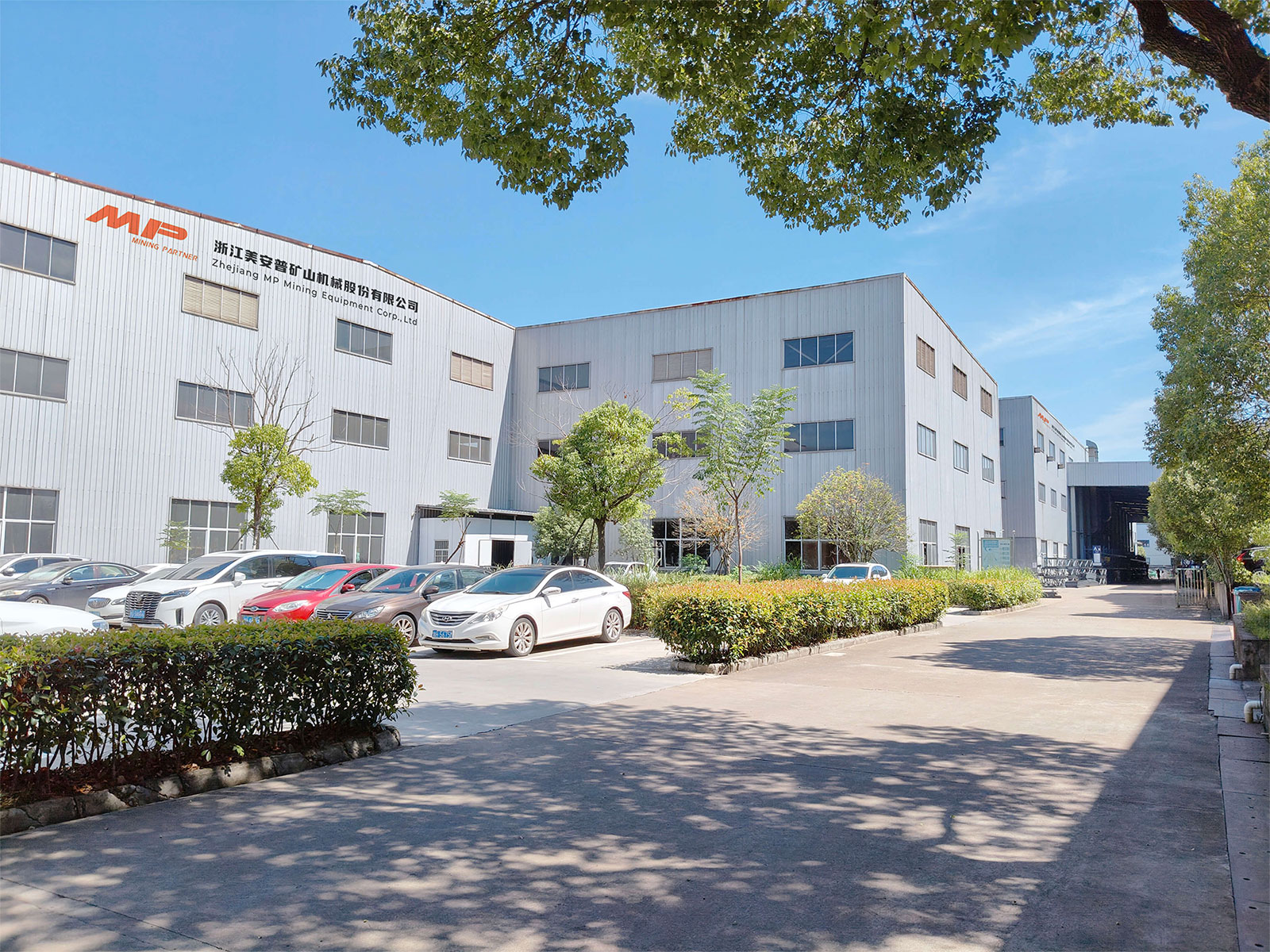
Zhejiang MP Mining Equipment Corp., Ltd. was established in 2010 and is located in the High-tech Zone of Yushan County, Shangrao City, Jiangxi Province, known as the "Doctor County". The company covers an area of 42,000 square meters, with modern standard workshops, high-end production and testing equipment, and complete With its own quality assurance system and high-quality management team.
Q: What are the advantages of jaw crusher?
A: The advantages of using a jaw crusher include high efficiency, versatility, low maintenance, cost-effectiveness, adjustable discharge, and durability.
Q: How do you increase the efficiency of a jaw crusher?
A: Properly size the feed material: Ensure that the feed material is properly sized for the crusher, and avoid overloading the crusher with oversized material. Control the feed rate: Use a consistent feed rate to avoid overloading the crusher and ensure a steady, efficient flow of material through the crusher.
Q: What are the advantages of cone crushers?
A: Cone crushers are capable of crushing all types of medium to hard mineral rocks and stones. It also offers many advantages over other crusher designs, such as low energy consumption, reliability, high efficiency (compared to other crushers), and a high reduction ratio (feed/input size compared to product/output size).
Q: Why jaw crusher would be preferred over a gyratory crusher?
A: The jaw crusher, because of its box-frame construction, and simple toggle mechanism, is especially well adapted to extra heavy design for the crushing of extremely tough materials: in this respect it holds some advantage over the gyratory type, because the extra strength necessary for such work can be built into it at .
Q: What is the alternative to a jaw crusher?
A: Impact Crushers: These crushers use a high-speed impact force to break up hard rocks. They can be used in both primary and secondary crushing applications. Gyratory Crushers: These are similar to jaw crushers, but they have a cone-shaped head that gyrates around an eccentrically positioned crushing chamber.
Q: What is the difference between jaw crusher and cone crusher?
A: The main differences between jaw crushers and cone crushers are their processing capacity, production capacity, and final product quality. Jaw crushers are mainly used for primary crushing, while cone crushers are mainly used for secondary crushing.
Q: What is the advantage of a double toggle jaw crusher?
A: Greater Crushing Power: The double toggle jaw crusher is designed to handle more pressure and crush tougher materials. This translates into a higher crushing capacity.
Q: What is the best crusher for river rock?
A: Cone Crusher: A cone crusher is suitable for crushing river rocks of medium to hard hardness. It operates by squeezing the rocks between an eccentrically gyrating cone and a stationary bowl liner. The cone-shaped head moves in an eccentric motion, crushing the rocks against the stationary bowl liner.
Q: What is a toggle plate for a jaw crusher?
A: Jaw Crusher Toggle Plate is the most simple and low-cost part of jaw crusher, which is usually made by mild steel iron. It is the driving part of jaw crusher and has three main functions. That is, transmit power, adjust discharge opening and function as a safety device.
Q: What is the use of pitman in jaw crusher?
A: The pitman usually denotes a connecting rod, but in a jaw crusher it does not connect two things. Here, it refers to the moving jaw in a jaw crusher. It achieves the reciprocating movement through the eccentric motion of the flywheel shaft.
Q: What is the difference between double and single toggle jaw crusher?
A: The single-toggle jaw crusher has less shafts and bearings compared to double-toggle jaw crushers. Only one toggle goes from the bottom of the swinging jaw back to the fixed point. In a double-toggle jaw crusher, the moving crusher jaw is driven by the eccentric shaft that moves the front and rear toggles up and down.
Q: How do you size a jaw crusher?
A: The size of the crusher opening directly determines the maximum feed size going into the crusher. For example, if the jaw has a 30-in. opening (gape), the maximum feed size should not exceed 80% or 24-in.
Q: What is choke feeding a crusher?
A: Choke feeding a cone crusher is a method used to ensure that the crushing chamber is always full of material, allowing it to operate at its most efficient and productive capacity. The term "choke feeding" refers to the practice of maintaining a consistent and controlled feed of material into the crusher.
Q: What is gape in jaw crusher?
A: A Jaw Crusher is sized so that the maximum feed size is 80% of the gape and width openings. The gape is the measurement between the two jaw dies, while the width is the measurement between the two side plates. For example, if the maximum feed size is 29"x49", the crusher gape would be 32" and the width would be 54".
Q: How big of a rock can a jaw crusher crush?
A: Jaw crushers have a maximum feed opening size of about 48 inches by 60 inches, but the actual size of the rocks that can be crushed may be smaller or larger than this depending on the specific crusher.
Q: How do I make my giant crusher stronger?
A: Strength has a significant soft cap at around level 55, so push up to 60 to use the Giant-Crusher and then focus on raising your Endurance. You can continue to increase the damage of your Giant-Crusher by upgrading it with Smithing Stones.
Q: What are the factors affecting the performance of a stone crusher?
A: Factors such as hardness, abrasiveness, moisture content, and compressive strength of the material determine the appropriate type of crusher. 2. Feed Size: The size of the material entering the crusher is an important consideration.
Q: What are the factors affecting jaw crushers?
A: The capacity of a jaw crusher is given by the amount of crushed material passing the discharge opening per unit time. This is dependent on the area of the discharge opening, the properties of the rock, moisture, crusher throw, speed, nip angle, method of feeding and the amount of size reduction.
Q: How do I adjust my jaw crusher gap?
A: Open the crusher to the appropriate width, as determined by the desired gap between the two jaw plates. Insert a feeler gauge between the two plates at the point where the crusher is the narrowest, and adjust the crusher to the desired width. Tighten the tension rods to lock the jaw plates in place.
Q: Should a jaw crusher be choke fed?
A: Jaw Crushers work best when the entire crushing chamber is used for material size reduction. Choke feed a Jaw Crusher to maintain a crushing chamber that is at least 80% full. This will help to draw the material down into the crushing chamber, as well as create a better material shape and improve overall efficiency.

Long Press to Scan QR Code
Scan QR Code