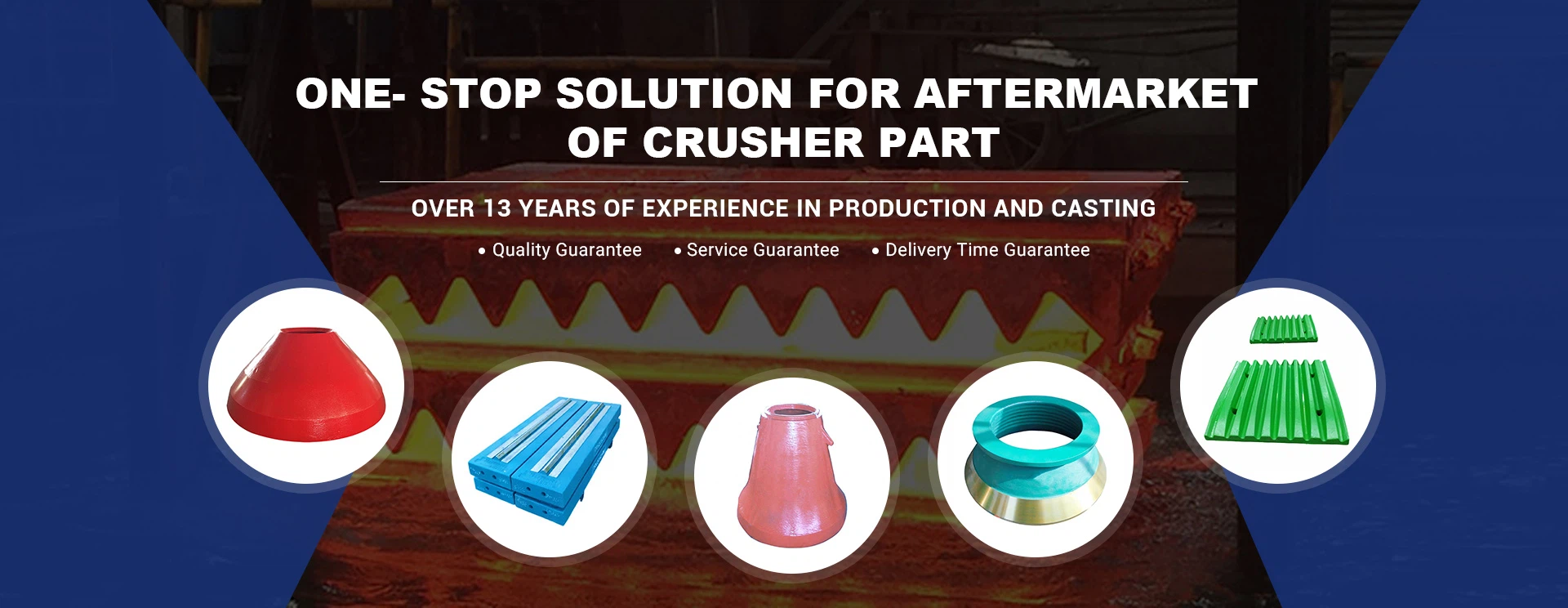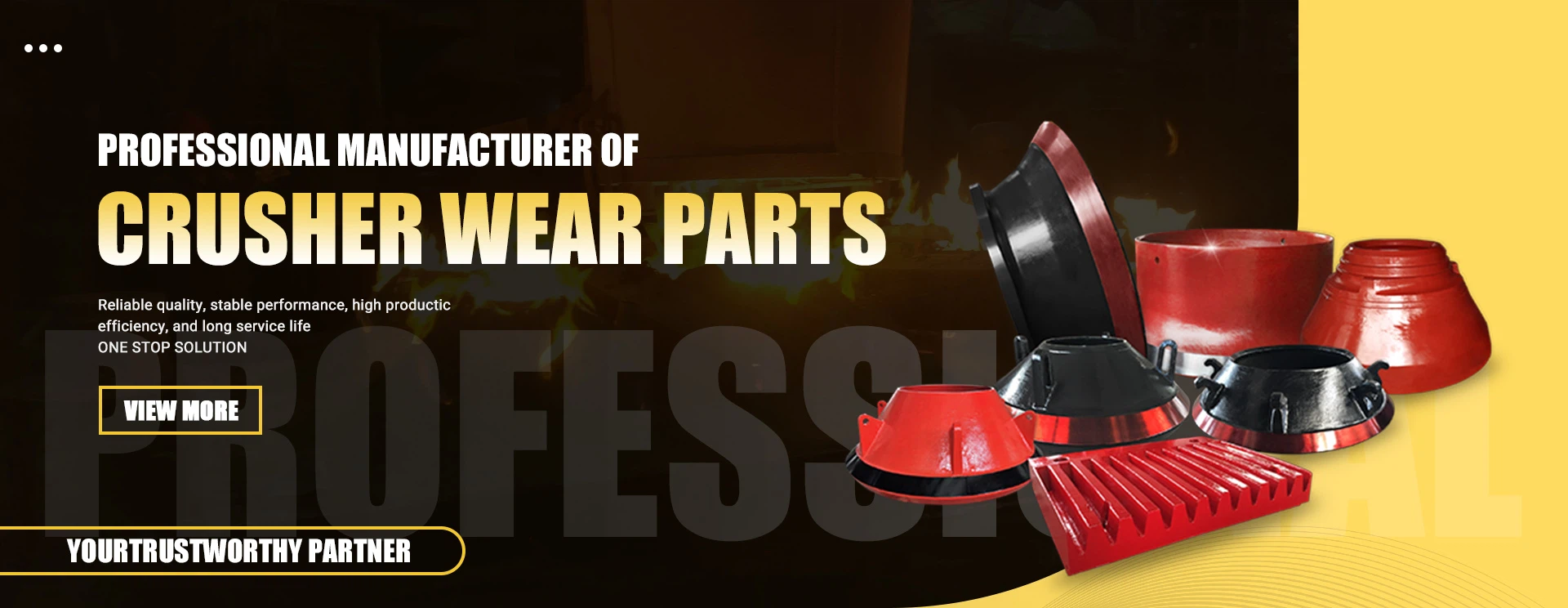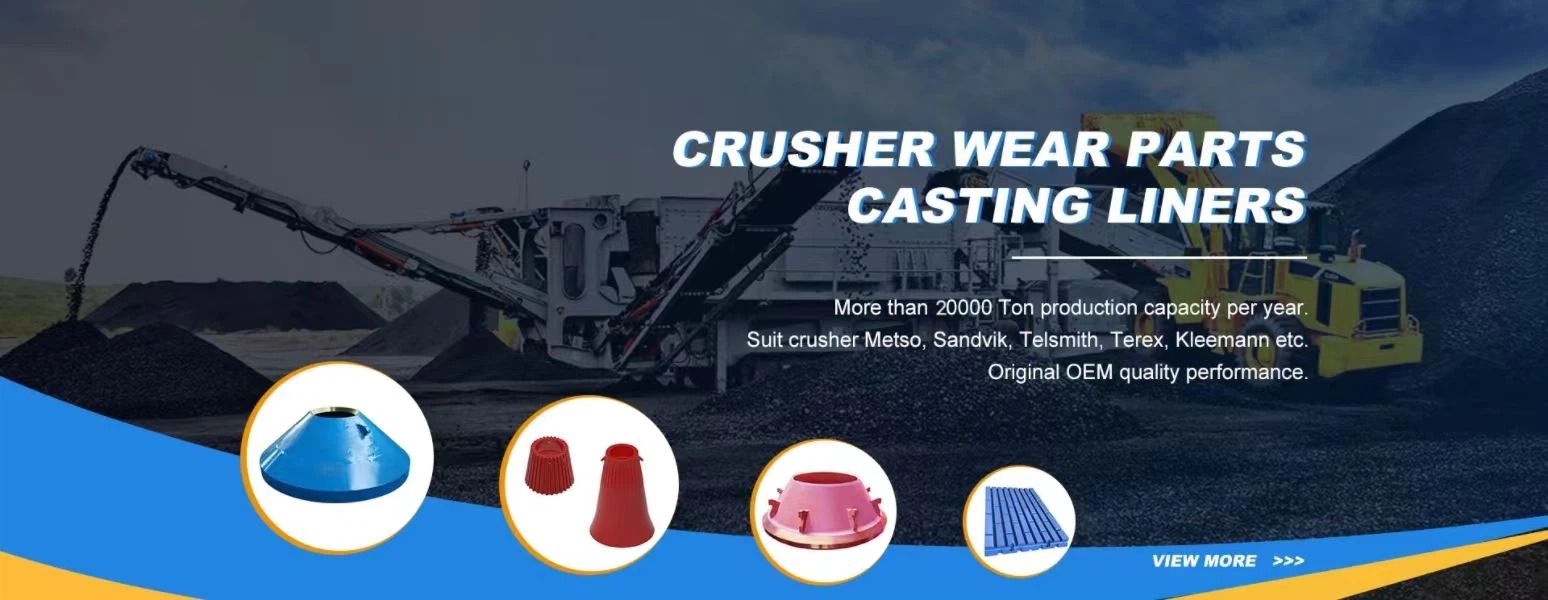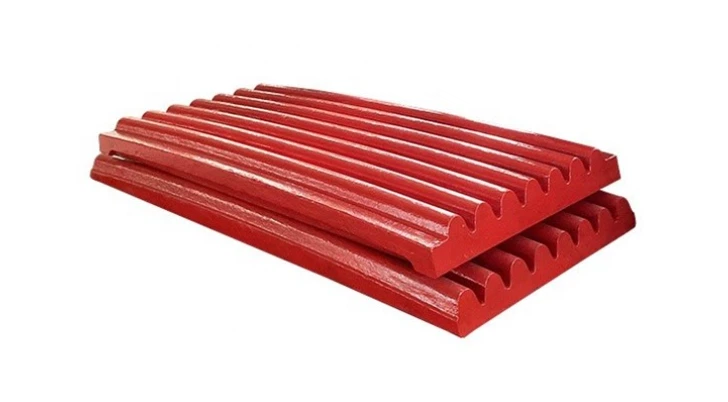
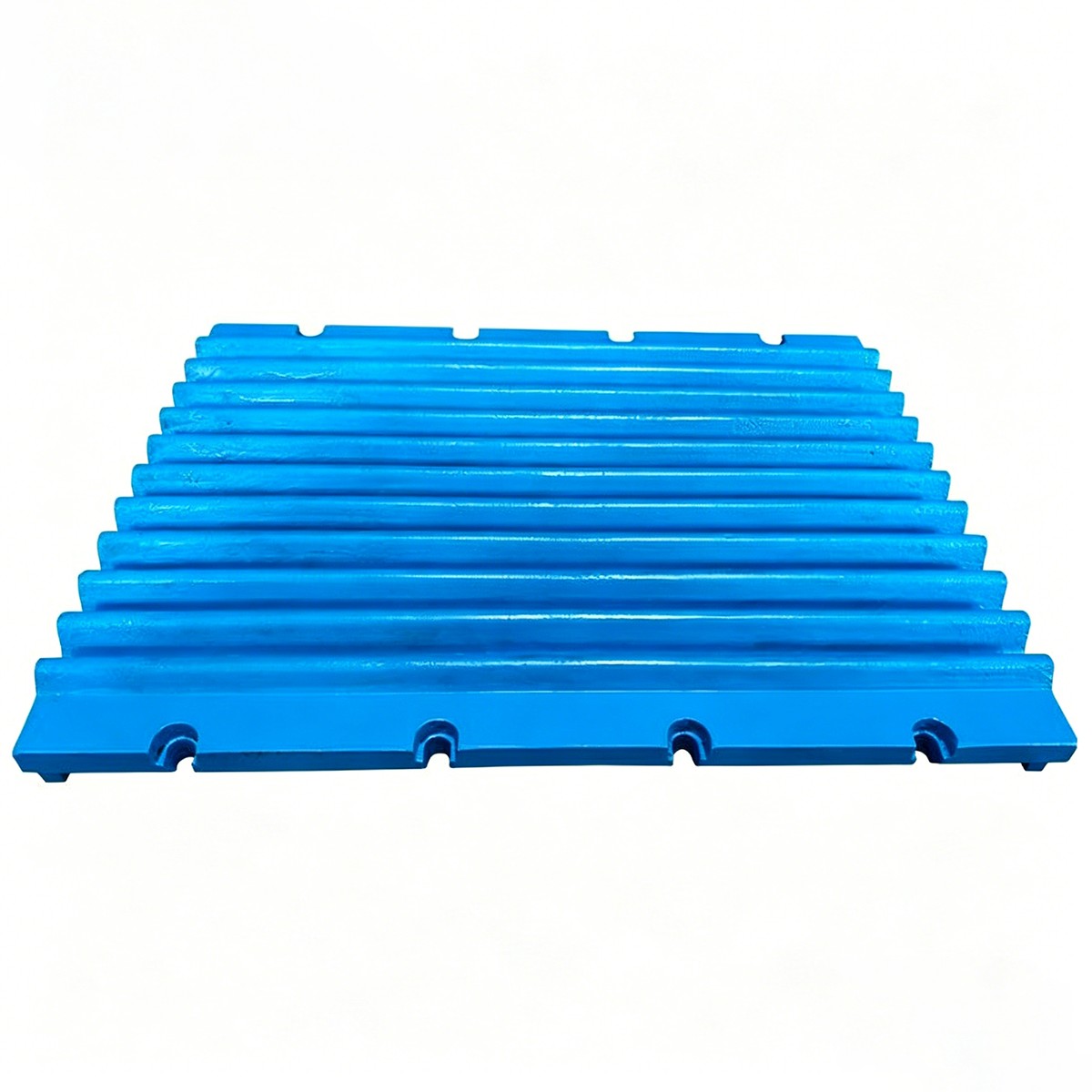
Zhejiang MP Mining Equipment Corp., Ltd. is one of the most credible manufacturers and suppliers of jaw crusher plate in China. Welcome to buy discount jaw crusher plate in stock here and get quotation from our factory. We also accept customized orders.
MP Mining is a comprehensive company integrating R&D, production and sales of mining machinery wear-resistant parts. Our products include Cone Crusher Wear Parts, Jaw Crusher Wear Parts, Mining Gyratory Crusher Wear Parts, Stone Impact Crusher Parts, Quarry Hammer Crusher Wear Parts.
Quality Guaranteed
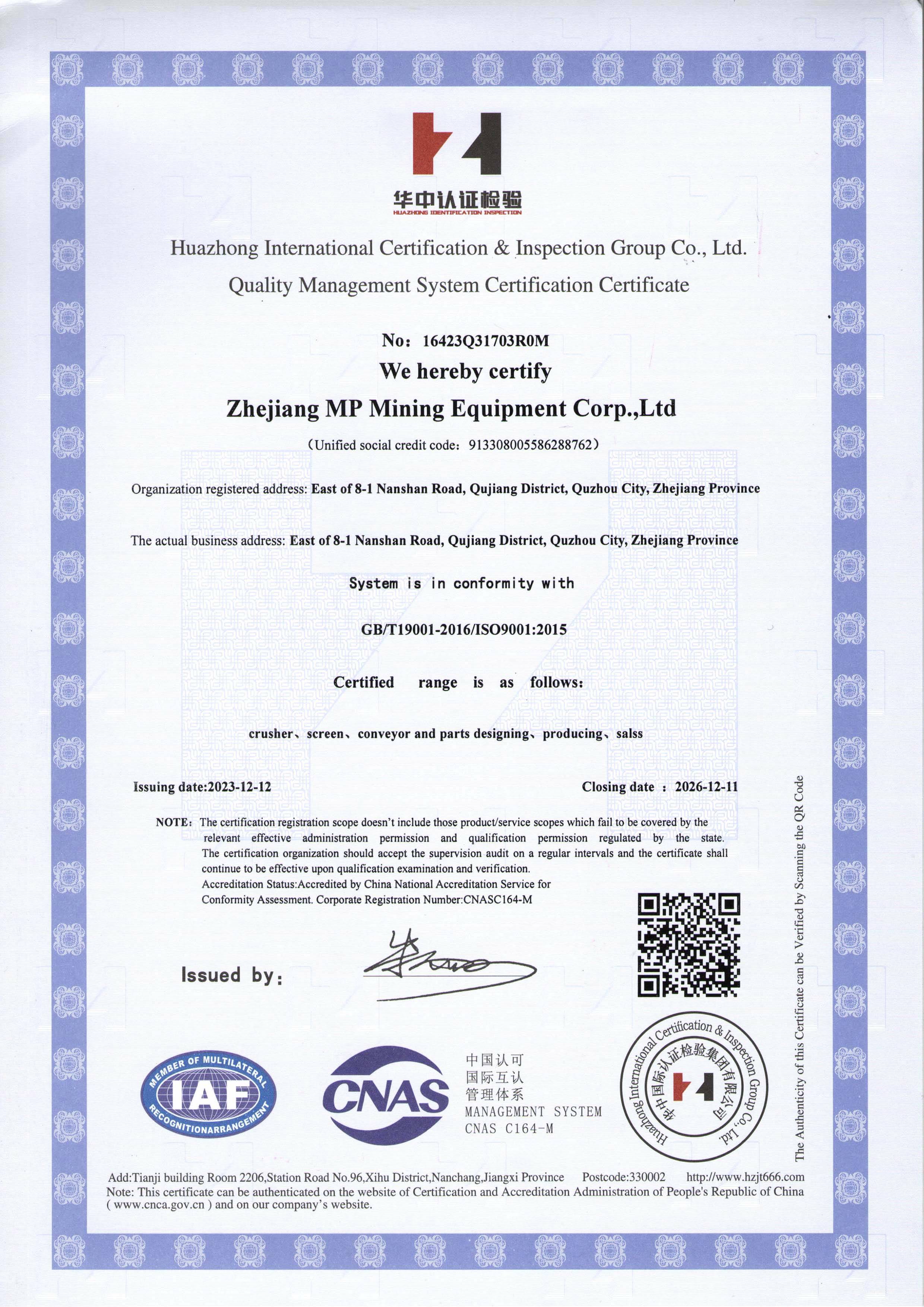
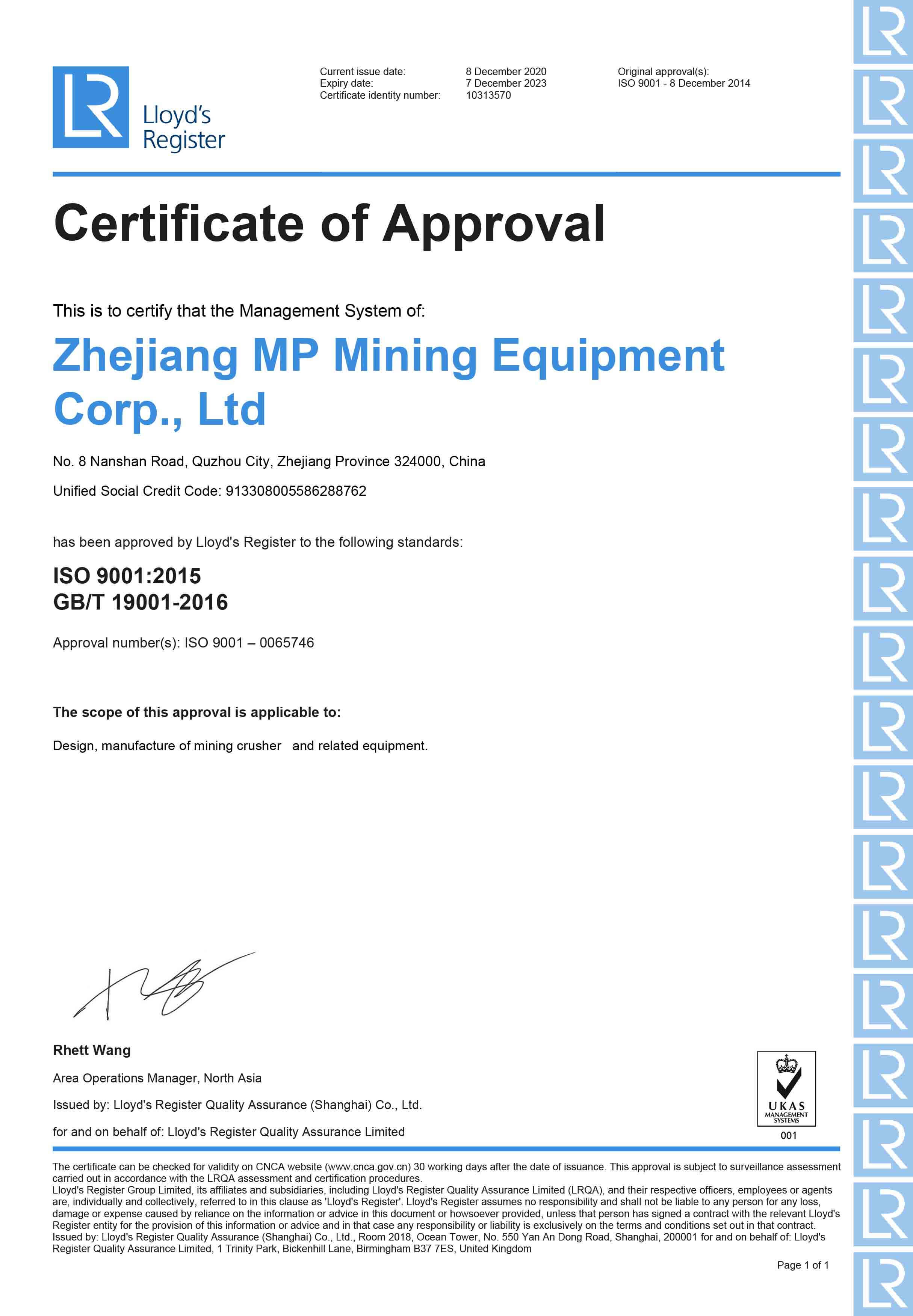
Our company has always regarded product quality as our mission, and our products are manufactured in accordance with American standards. Our factory has passed ISO9001: 2000 International Certification.
Leading Service
Our company has a professional technical team to provide customers with high-quality technical services and provide personalized (OEM / ODM) solutions as well as customized personalized services for customers' needs.
Broad Market
Our products are exported to the United States, Britain, Australia, Canada, Germany, Russia, and other countries.
High Productivity
The company's manufacturing capacity is 20,000 tons per year, with product weights ranging from 2 kg to 10 tons.
Manganese steel alloy is selected to make the J50 jaw plate, providing high wear resistance and a long service life. Cold work hardening technology is employed to achieve high hardness.
Jaw Crusher Parts Swing Jaw Plate
The jaw plates are the most frequently replaced wear parts of a Jaw crusher. The quality of the jaw plate is an important factor to reduce the crushing cost and the operation time.
The scope of replacement of the stock for Terex Pegson jaw crusher parts is unrivaled. We have a large inventory of jaw crusher spare parts to suit the industry's top manufacturers, such as jaw swing & fixed plates Mn13.
In jaw crusher spare parts, the moving jaw exerts a compressive force on the material in the crushing chamber, which causes it to be crushed against the stationary jaw. After the material is crushed, it falls down the chamber and is discharged from the bottom of the crusher.
Wearing Spare Parts Jaw Plates
Nordberg C106 Jaw Plate for a Jaw crusher. Normally, the impact force received by the movable jaw plate is greater, so we need to consider the toughness of the movable jaw when making a purchase.
Movable Jaw Plate for Jaw Crusher
The crushing chamber of the jaw crusher is equipped with a fixed jaw plate and a movable jaw plate. When the machine is running, raw material wear occurs between the movable jaw plate and the fixed plate.
Given the vast range of materials that can be crushed by a jaw crusher and its extensive use, different raw materials should be utilized for the jaw plate.
The main function of the fixed jaw plate is to protect the jaw crusher's body and to provide support for the movable jaw die, which is attached to the movable jaw. It also helps to transfer the crushing force generated by the jaw crusher's eccentric motion onto the material being crushed.
The fixed jaw plate does not move as a jaw crusher wear plate. Its job is to be the piece of heavy metal that bears the impact of the movable or swing jaw as it crushes the material against it.
Brief Introduction to Jaw Crusher Plates
A fixed jaw crusher plate is a component of a jaw crusher. Its main function is to support the jaw and protect it from wear and tear. The jaw plate is an important part in the jaw crusher equipment, and its service life directly affects the whole jaw crusher equipment.
Proprietary alloys offer increased toughness and durability.
Better fit for quick and easy replacement.
Design improvement increases crusher efficiency and prevents premature erosion.
Tested for longest usable wear life.
A large inventory of crushers wears parts in stock for immediate deliveries.
Less downtime for cost-saving.
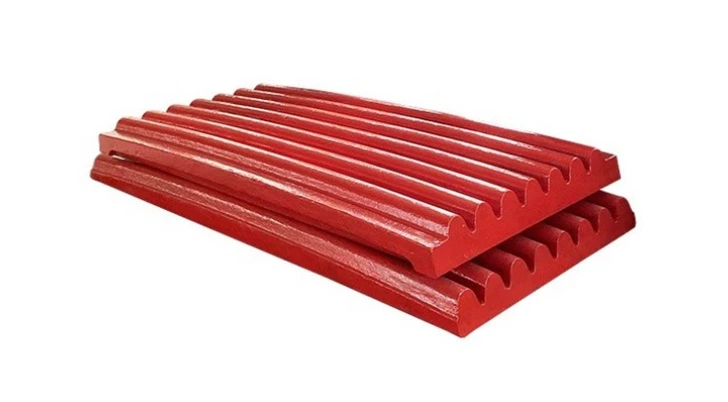
Manganese Steel
Manganese steel plates are widely used due to their excellent wear resistance and toughness. They are suitable for crushing materials with medium to high abrasiveness and are often used in quarries and mining operations.
High Chrome Iron
High chrome iron plates offer exceptional wear resistance, especially when dealing with highly abrasive materials like granite or basalt. They are commonly used in applications where the material being crushed is very abrasive.
Carbon Steel
Carbon steel plates are a cost-effective option and are typically used when the material being crushed is less abrasive, such as in recycling applications. While they may not offer the same level of wear resistance as manganese steel or high chrome iron, they are suitable for certain scenarios.
Tungsten Carbide
Tungsten carbide plates are known for their exceptional hardness and resistance to wear. They are typically used in applications where extreme wear resistance is required, such as in the mining industry.
Composite Materials
Some jaw plates are made from composite materials that combine the strengths of different materials to achieve the desired wear resistance and durability.
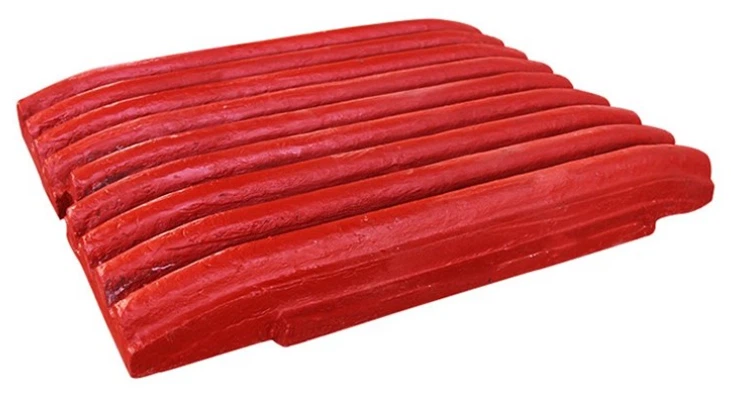
The Material Slides for a Long Time at the Discharge Port
For double toggle jaw crusher plates, the degree of their vertical swing is greater than that of horizontal swing. The greater the vertical swing, the longer the ore slides in this area, resulting in more serious wear of the jaw plate, especially near the discharge port. Moreover, the wear from chiseling is greater than that from extrusion, which makes the lower part of the jaw plate wear faster than the upper part. To increase its service life, people always turn the lower jaw plate upside down to make both sides of the plate pressed uniformly.
Over-Sized Feeding Material Size
If the feeding material is oversized, it also seriously affects the service life. In most applications, the reduction ratio of a jaw crusher is 6 to 1. Exceeding the reduction ratio will generate the crushing forces that break the crusher's design limits and affect your overall production and machine performance. For oversized feed material, if you scrub the material until the jaw plate can get a bite on it, this also accelerates wear.
Using Dust Suppression with Water
Using dust suppression is important because the water is actually very abrasive and will accelerate the wear of the plates. We you to use a fine spray for dust suppression because it can match water to dust, thus achieving better control of more dust with less water. Severe wear of the jaw plate can lead to uneven particle size and low efficiency, which indicates that you have to replace the jaw plates. If you want to choose the correct one, you should consider their different materials according to the purpose and the real situation.
Large Amount of Fines in the Material
The wear of the jaw plate depends on the type of material and other variables such as material sizes. If too many fines enter the jaw crusher cavity, it will accelerate the wear speed of jaw plates because the fines fill the valleys that are necessary for the crusher to crush efficiently.
Select the Right Jaw Plate Material
As what has said before, choosing the appropriate material for your jaw plates is crucial. Consider the type of material you will be crushing and its abrasiveness. For highly abrasive materials, opt for high chrome iron or manganese steel plates. For less abrasive materials, carbon steel may be a cost-effective choice.
Regular Inspection and Maintenance
Implement a strict maintenance schedule for your crusher. Regularly inspect the jaw plates for signs of wear, cracks, or damage. Replace worn or damaged plates promptly to prevent further deterioration.
Proper Feeding
Ensure a consistent and well-distributed material feed into the crusher. Irregular or oversized feed can lead to uneven wear on the jaw plates. Controlling the feed size and avoiding overloading the crusher is crucial.
Operate Within Recommended Parameters
Follow the manufacturer's guidelines for operating your crusher. Operating the crusher within the recommended parameters, including speed and feed settings, helps prevent excessive wear.
Use Dust Suppression
Implement an effective dust suppression system to minimize abrasive dust that can accelerate wear. Reducing dust can extend the wear life of your jaw plates.
Optimal Crushing Chamber Settings
Adjust the crusher's settings to maintain an ideal crushing chamber. Properly align the jaw plates to ensure even wear distribution.
Turn or Rotate Jaw Plates
Some jaw plates can be turned or rotated to distribute wear evenly. Based on the information we've gathered, adjusting the jaw plates according to the following guidelines can extend the wear life of the jaw plates. Consult the manufacturer's recommendations for your specific jaw plates. To prolong the lifespan of your jaw plates, consider implementing a rotation strategy. When wear becomes evident, a double turn is recommended.
First Turn: Rotate jaw plates when wear reaches around 50% on their lower regions.
Second Turn: Initiate the second turn when wear approaches 90% in the same areas.
Additional Turns: Continue this process as needed to maximize the utility of your jaw plates.
Utilize Advanced Technology
Consider crushers with advanced features such as automatic settings and control systems. These systems can optimize the crusher's performance and extend the wear life of components.
Regular Lubrication
Ensure proper lubrication of the crusher's moving parts to reduce friction and wear.
Quality Control in Plate Manufacturing
If you're replacing jaw plates, ensure they are of high-quality and properly manufactured. Inferior plates can wear out quickly, leading to frequent replacements.
Consult Manufacturer Recommendations
Always refer to the manufacturer's guidelines and recommendations for maintaining and extending the wear life of your crusher components.
Crushed Material Characteristics
The nature of the material being crushed is a fundamental consideration. Different materials exhibit varying levels of abrasiveness and hardness, significantly impacting the durability and effectiveness of jaw plates. For instance, when dealing with tough and abrasive substances like granite or basalt, it's advisable to opt for jaw plates crafted from high chrome iron or manganese steel. In contrast, for less abrasive materials such as limestone or shale, cost-effective alternatives like carbon steel may prove suitable.
Crusher Model Specifics
Different jaw crushers have unique requirements regarding jaw plate shapes, dimensions, and mounting methods. It's crucial to ensure that the selected jaw plates are compatible with the specific crusher model, ensuring a seamless fit and superior performance. Some crushers utilize bolt-on jaw plates, while others employ a wedge-style mounting system. The choice of jaw plates should align with the distinctive design and demands of the crusher.
Intended Application
The intended application of the crusher also influences the jaw plate selection. For instance, when the crusher is used in applications involving large and abrasive materials, such as in quarry or mining operations, opting for jaw plates with high wear resistance, such as high chrome iron or manganese steel, is a prudent choice. Conversely, in recycling applications where materials are typically smaller and less abrasive, more budget-friendly alternatives like carbon steel may suffice.
Budget Considerations
The financial aspect of jaw plate replacement is a significant consideration. While materials like manganese steel or tungsten carbide may offer superior performance and extended longevity, they are often associated with higher costs. Striking a balance between your budget and the desired performance and lifespan of the jaw plates is a crucial part of the decision-making process.
Processing Capacity
The processing capacity of the crusher is a pivotal factor, determining the volume of material that can be efficiently processed per hour. It is imperative to select a capacity that aligns with your production requirements, ensuring that the production line can meet your output needs.
Power and Energy Efficiency
Evaluating the crusher's power consumption is essential, as it directly impacts operating costs and environmental sustainability. Opting for a crusher with higher energy efficiency can significantly reduce operating expenses and minimize the environmental footprint.
Maintenance and Durability
The maintenance requirements and the overall durability of the crusher's components are vital for prolonged operation. Crushers that are easy to maintain and feature robust components tend to result in lower operational costs by reducing downtime and minimizing repair expenditures.
Space and Layout
It is crucial to ensure that the chosen crusher fits seamlessly within your existing workspace and layout. Different types of crushers come in various sizes and operate differently, so careful consideration of placement is necessary to prevent overcrowding or operational inconveniences.
Technical Requirements
Take into account the need for modern technology and automation. Some crushers are equipped with advanced control systems and automation features that can enhance production efficiency, deliver precise process control, and provide valuable data analysis.
Environmental Regulations
Confirm that the selected crusher complies with both local and international environmental regulations and standards. This includes adhering to requirements related to waste management, noise control, dust suppression, and other environmental considerations.
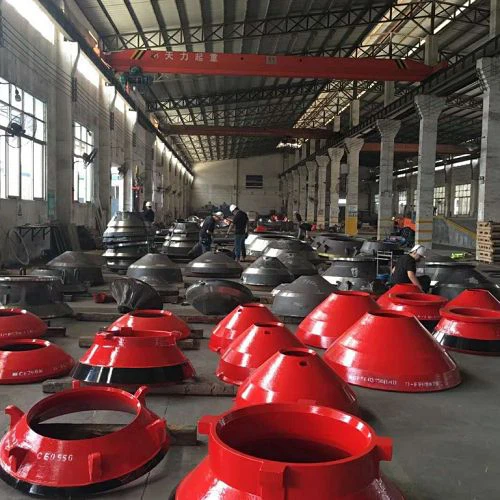
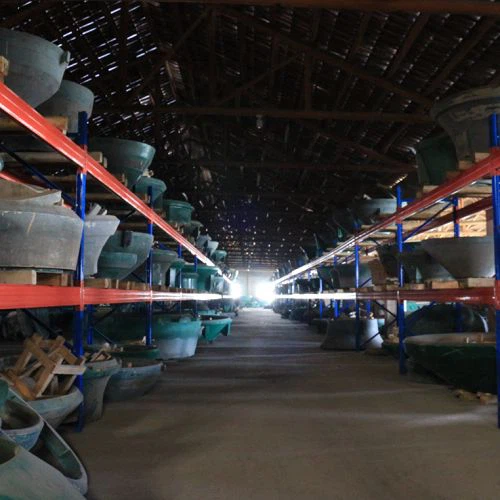
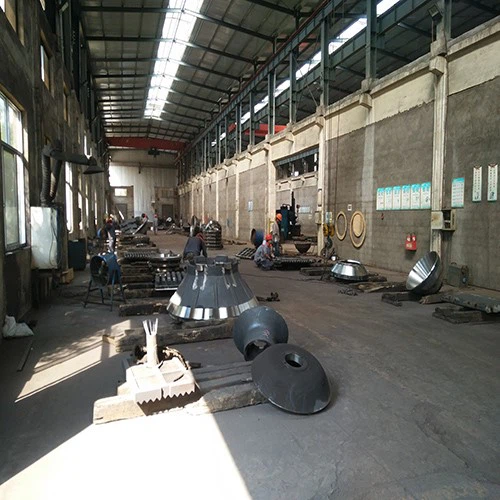
The production workshop is clean and bright. Spacious production workshop, orderly material warehouse, finished product warehouse, to ensure the efficient production of each process
The R & D personnel are all related professional academic fields, complete quality management system and high-quality R & D technical team, and have advanced and perfect R & D and production equipment, with strong R & D capacity. With many years of industry experience, our professional technical team provides customers with high-quality technical services, personalized (OEM / ODM) solutions, and customized personalized services for customers' needs
Q: What factors should be considered when choosing the right jaw plate?
A: Model and specifications of jaw crushers-What types of jaw plate material you should choose may depend on different specifications, feed size and impact load.
The hardness of the material-The hardness of the material is also an important factor in choosing the jaw plate. The material hardness determines the toughness and strength requirements of the corresponding jaw plate.
Q: When to choose high manganese steel jaw plate?
A: For large jaw crushers, the crushed material is huge-block, which forces the jaw plate to accept strong impact and wear. For that situation, the high manganese steel can give full play to the advantages of good toughness and hardness.
Note: If the flare angle between the moving and fixed jaw plates is too large, it is easy to cause the sliding of the abrasive, deformation and insufficient hardening of the high manganese steel. So sometimes you should adjust the appropriate flare angle during use.
Q: Why it is most suitable to use medium manganese steel jaw plate at this time?
A: If you need to deal with materials with high hardness such as granite, quartz stone, concrete, etc., the medium manganese steel is the most suitable because of its strong hardening ability. Besides, it has a self-protection mechanism when crushing high hardness materials, which can greatly reduce the wear rate.
Q: When to choose medium-carbon-low-alloy cast steel jaw plates?
A: Medium and small sized jaw crushers usually bear a low impact load, so under such conditions, medium-carbon-low-alloy steel materials are more suitable. Not only can the disadvantages of high manganese steel difficult to reach the application hardness be avoid, but it also bring good technical and economic benefits.

Long Press to Scan QR Code
Scan QR Code